Ever heard of Jojoba Oil? Of course you have. You can't get to be “today years old” without having run across the name or the product at some point. But I'm here to tell you some stuff you've probably never heard.
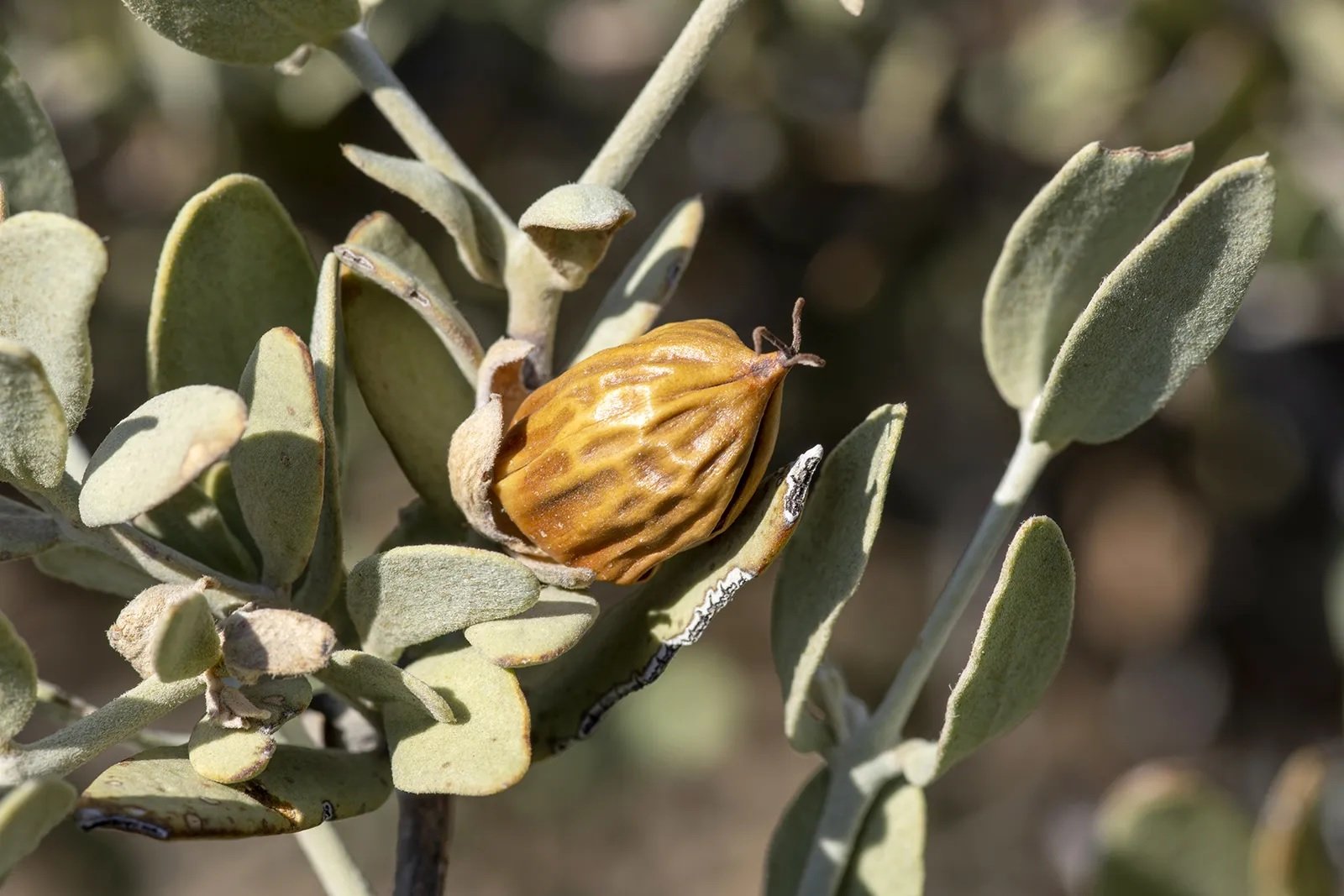
The jojoba plant, a dioecious bush, is officially called Simmondsia chinensis (Link) Schneider. (“Dioecious” means having specifically male and female plants.) The first taxonomic description of this species appeared in 1822, when Johann Link named it as Buxus chinensis. Link mistakenly read a label “calif” mealing “California” as “China” even though the plant has absolutely no basis or association with China. In 1844, Thomas Nutall renamed the plant Simmondsia californica (for botanist Thomas William Simmonds & the original designation of California). In 1912, the Austrian botanist, Camillo Karl Schneider, renamed it again, this time as Simmondsia chinensis (Link) Schneider, keeping the part of the name for Simmonds but adding back the original misnomer for China, and throwing in a nod to Johann Link and himself. (I know you're yawning.)
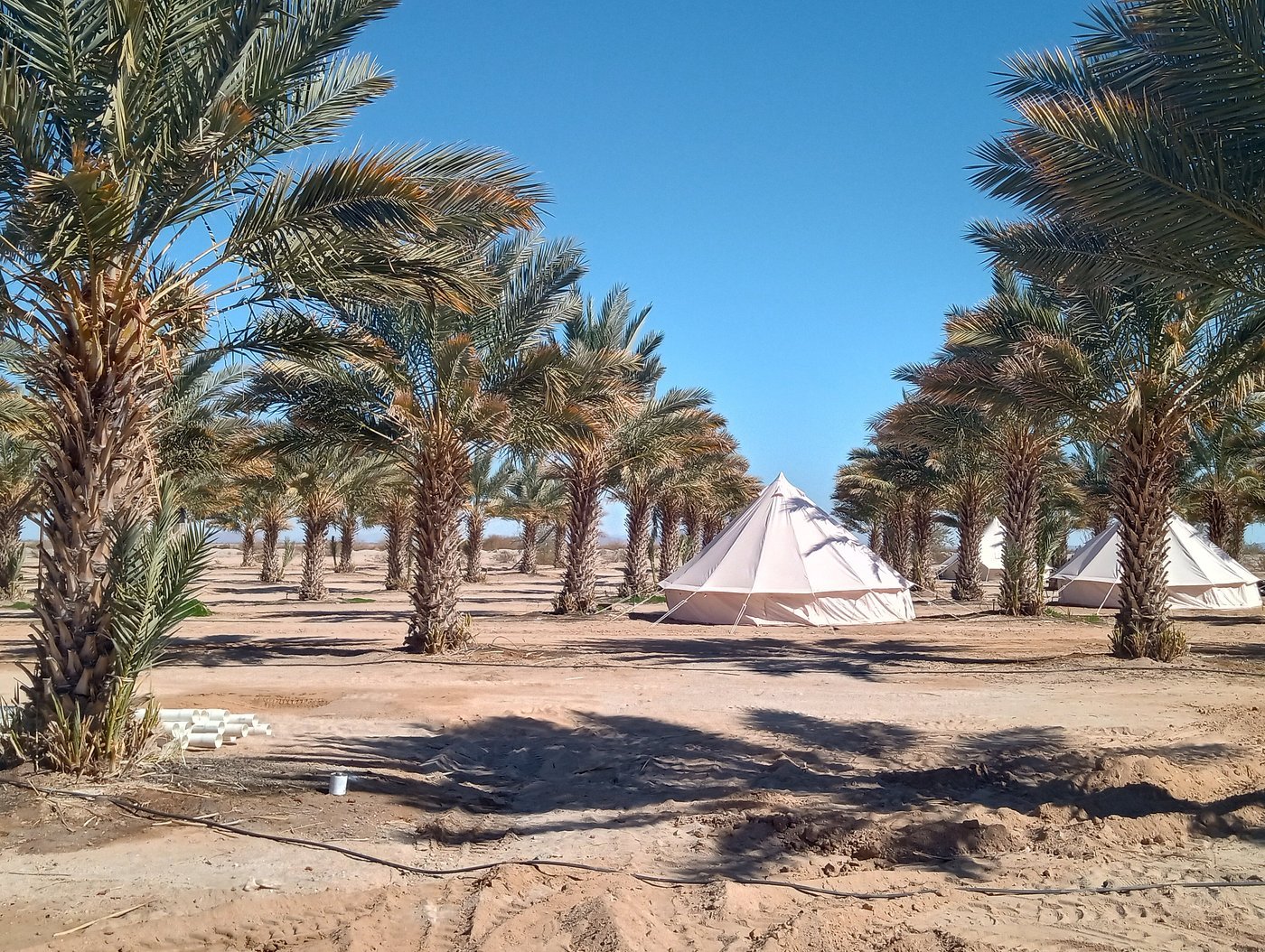
When we were in Yuma the second time, we toured a local date farm. That was incredibly cool all by itself. Our tour guide, the owner of the farm, told us that when she and her husband bought the land that is now this expanse of beautiful, thriving date trees, it was a Simmondsia chinensis farm. I was intrigued. They left a few big jojoba plants standing, as a reminder of their origins, but converted all the rest of the productive land over to date production. Why? Even though I'm from the farm country of southeast Arkansas, I know absolutely nothing about commodity crops. Is it normal to buy a farm then convert it to a different crop? This isn't rotating seasonal crops, like cotton or soybeans, that are seeded and harvested year after year. These are mature plants, like pecans or peaches, that produce for many seasons. It didn't seem reasonable to un-plant producing plants only to replace them with other producing plants. I simply didn't get it. Curiosity about jojoba farms and the crop they produce led me down an interesting path.
The primary use of the jojoba plant is jojoba oil, and the primary user of jojoba oil is the cosmetics industry. Jojoba oil has wax esters, as opposed to being actual oil. Chemists can tell you the difference and I won't bore you with more specialized technical knowledge that I don't even want to know myself. Beeswax also has wax esters. The wax ester molecules that make up jojoba oil are similar what our skin already has. Wax esters and the vitamin E also inherent in jojoba oil are what makes it so good for our hair and skin. It's a great product with great uses. So, again, why change the crop? Hang on. I'm getting there.
Let's shift all the way across the country to the southeast coast, and backwards a few decades. Back in the late 1970s, NASA announced their new space shuttle program. Those of us who were alive at the time remember how exciting this announcement was. That a spacecraft would return from space and be re-used was mind-blowing, and the engineering and technological advances that NASA was making were beyond anything we had ever considered possible. When NASA actually pulled it off, in 1981, the world was captivated. The Space Shuttle Program was born. (Sideline, I've been to the Space Shuttle Atlantis exhibit at Kennedy Space Center several times. My mind is still blown.)
NASA needed a lubricant for all its high-tech parts. You probably just figured out where I'm going. Yep, you got it; NASA started using jojoba oil. Jojoba oil is highly stable, meaning it doesn't break down in intense heat (or cold). Kennedy Space Center & NASA's entire Cape Canaveral complex are surrounded by the Merritt Island National Wildlife Preserve. Jojoba oil checked another box for NASA in that it was safe for the environment, so the critters in the preserve wouldn't be exposed to anything harmful. NASA became a major purchaser of jojoba oil, and the communities of southeast California and southwest Arizona stepped up to meet the need. Existing jojoba farms expanded & ramped up production. New jojoba farms popped up. New and existing jojoba farmers began making big bucks from government contracts.
And then, just when things were rolling right along in hyper-mode, boom. Government contracts thinned out, then completely stopped, and supply suddenly far exceeded demand. Here's why. In 1994, NASA contracted with Sun Coast Chemicals out of Daytona to create a new, less-expensive but still environmentally-friendly lubricant for their mechanical needs. In economic terms, this made total sense. As happens when demand is high, cost also gets high, and NASA was looking for a cheaper alternative. Also, quantity and quality of a crop can be affected by uncontrollable variables, and NASA needed a steady supply at a steady price. Sun Coast stepped up, and actually created a line of lubricants that are still widely used for intensely demanding mechanical needs. We all know the Space Shuttle Program slowed, then ended entirely, so any remaining use of jojoba oil by NASA also ended entirely. The consequence of this drastic decrease in demand was an almost-immediate closure, and often complete abandonment, of many jojoba farms in the American southwest.
In the Yuma area, this meant a sudden availability of land with an existing agricultural infrastructure (like water sources and irrigation systems) and a supply of experienced agricultural labor looking for jobs. Dates had been grown in the area well before the jojoba bust, so a few of the jojoba farms just made a leap of faith into a new crop and kept right on plugging. And what a leap of faith it was. Date palms are also dioecious, and must be mature to produce. Dates aren't a year-one crop. They aren't even a year-two crop. I can't imagine the financial and emotional investment it took remove the jojoba and plant the date palms, then keep the palms healthy for three years in the hope that they will produce enough to actually have a marketable crop. Many current date farmers, like our tour guide, stepped in and bought land with abandoned jojoba plants on the cheap, and created a viable date crop on a wish and a prayer.
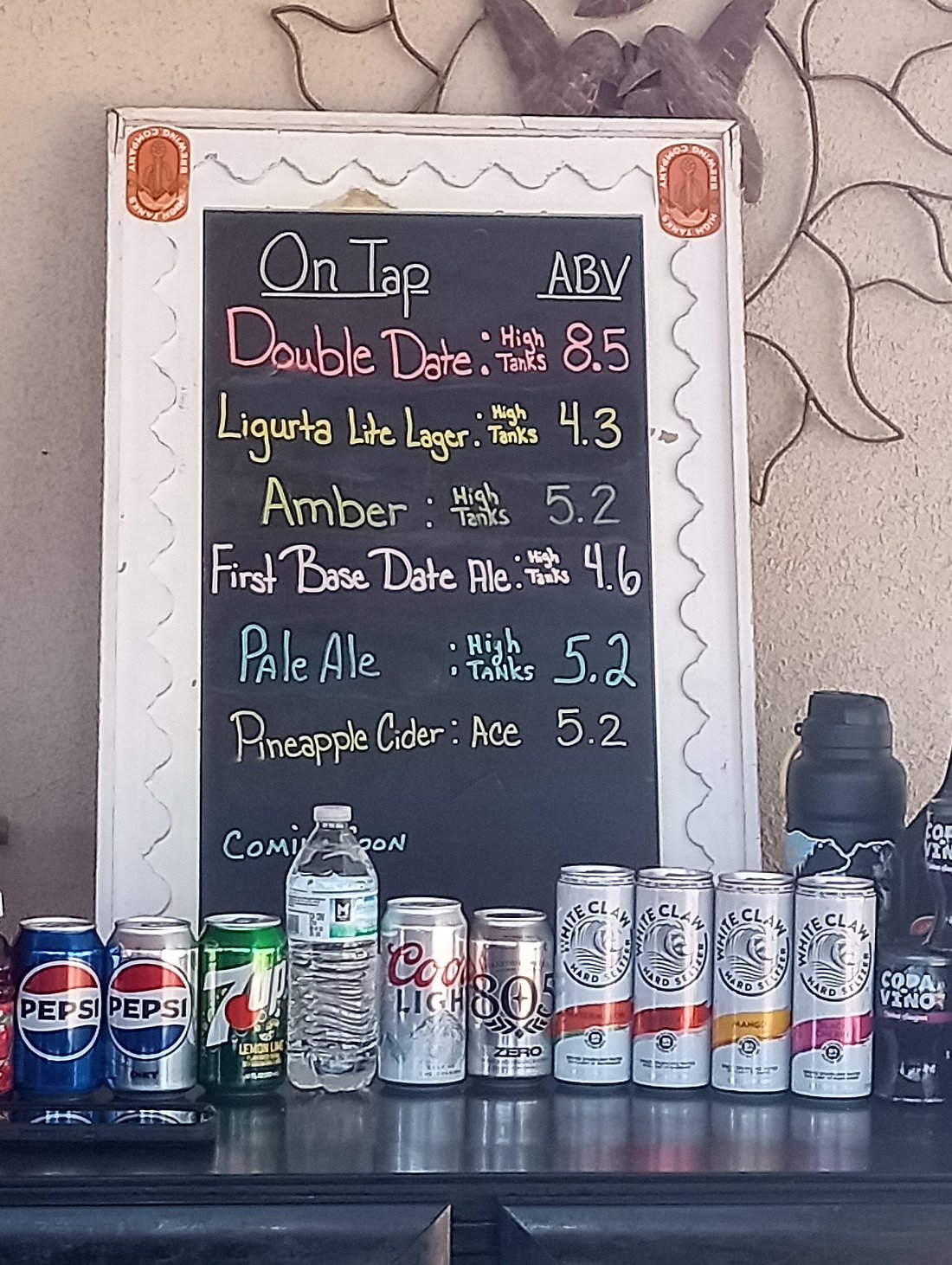
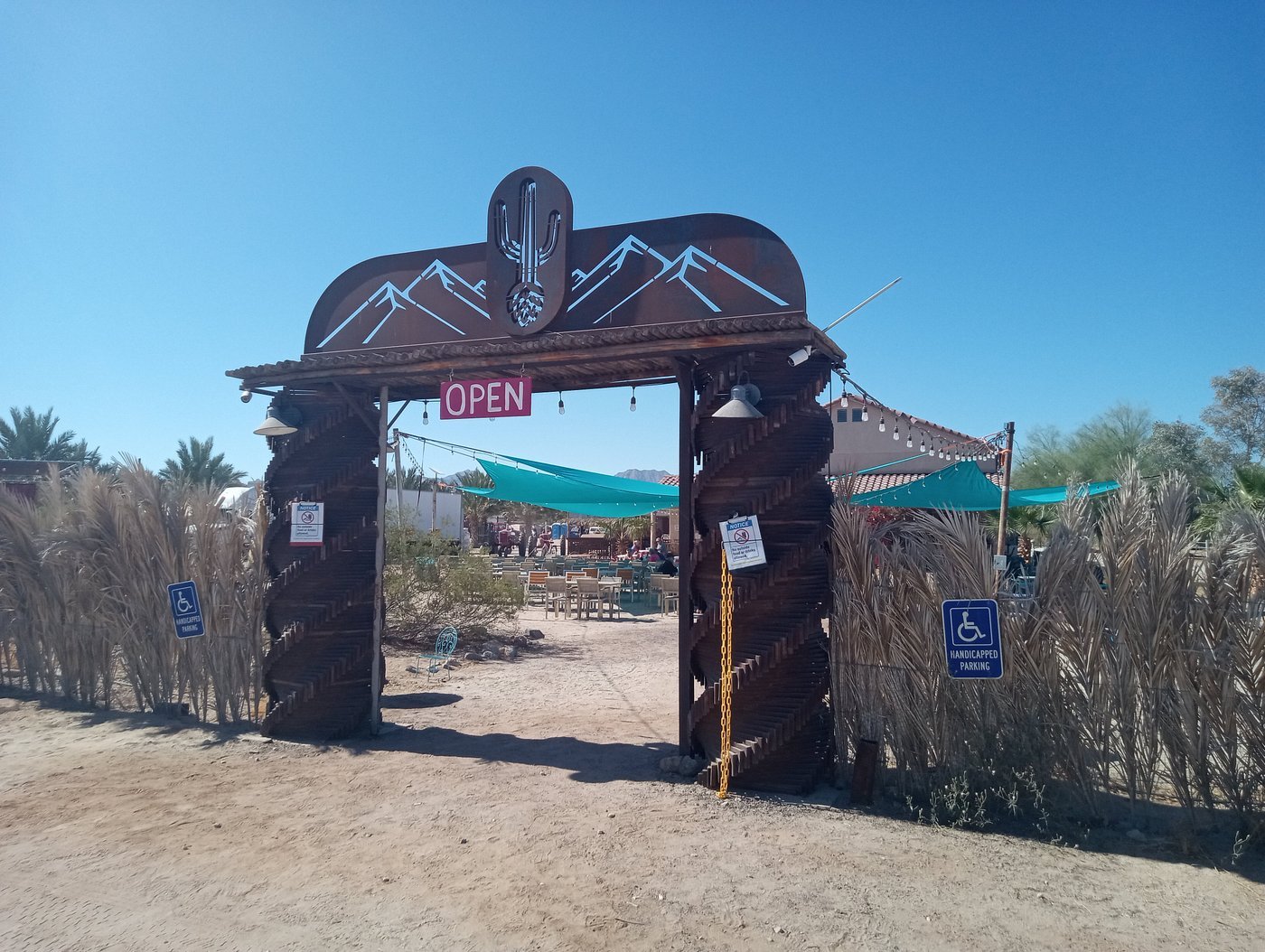
The date industry is firmly established in the rural areas around Yuma, and the dates are the best you will find anywhere. Most of those farms that were converted in the 1990s and 2000s are now full of mature, producing date palms. A few of them, like the one we visited, have found a separate stream of income from tourism. In addition to the tours, ours had an on-site bar, restaurant, music venue, campground, and gift shop. Our farmer-cum-tour-guide created a whole lot of good from what her predecessors left behind as useless. I'm glad she found a new purpose for the land and the people, and I'm especially glad she kept a few of the jojoba plants as a reminder of what used to be.
And now, the next time you use jojoba shampoo or lotion or cosmetics, you'll know you have something in common with the space shuttle.